A gum health evaluation is one of the more common appointments a dental office books, yet patients often arrive unsure of what to expect. This overview covers the practical side: scheduling, insurance, who you will meet, and how to plan your time.
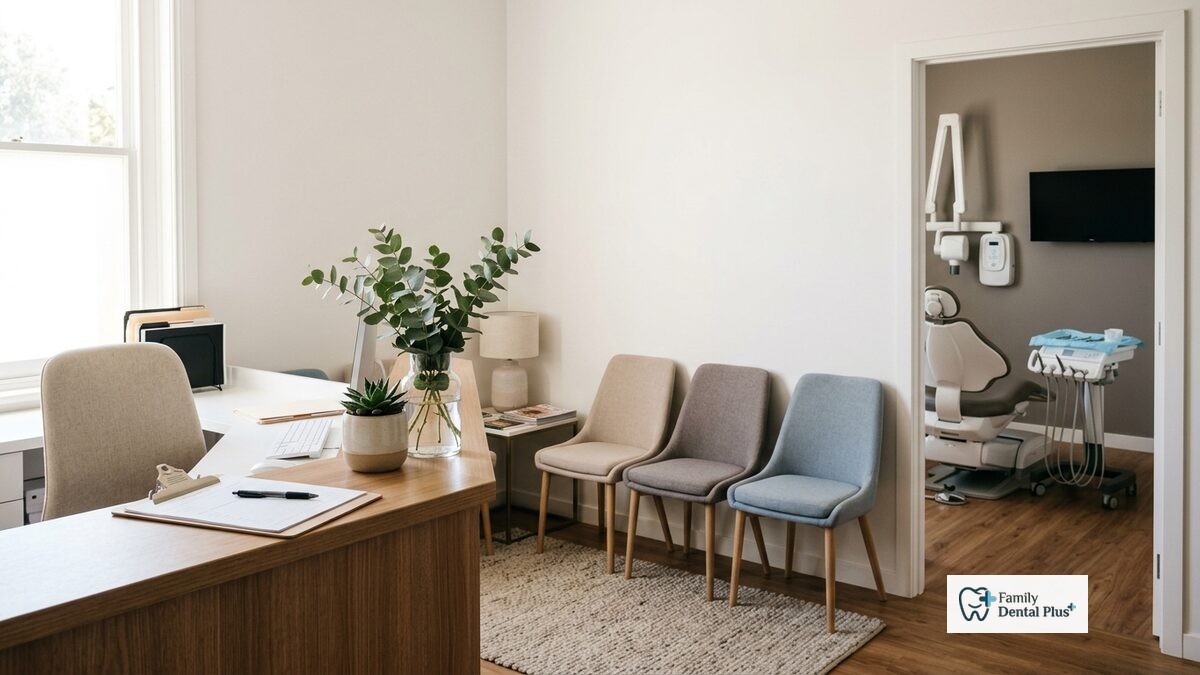
The point of this article is logistics, not clinical guidance. It does not describe a diagnosis or recommend a course of care, because those conversations belong in the operatory with the provider, who reviews each patient individually. What follows is simply meant to make the appointment feel predictable from the moment you call to the moment you check out.
Booking the appointment and sorting out insurance
Most evaluations can be requested by phone or through the online scheduling form. The front-desk team will ask for a few basics: your contact information, the reason for the visit, and the days and times that work for you. New patients are usually asked to arrive ten or fifteen minutes early so there is time to complete intake forms. Many offices also post those forms online, and filling them out in advance shortens the wait at check-in.
On the day itself, plan for parking and building access the same way you would for any medical appointment. Arriving a few minutes early gives you time to settle, finish any remaining forms, and ask the front desk about wait times. If you are bringing a child or an older family member to their own appointment, let the office know in advance so they can allow for it.
It helps to confirm coverage before the visit. The billing team can review your plan, explain which portions of a routine evaluation are typically covered, and flag any paperwork your insurer wants on file ahead of time. Some plans ask for pre-authorization before certain services, and the billing team can tell you whether that applies and handle the submission. Bring your insurance card and a photo ID to the first appointment so check-in stays quick, and patients paying without insurance can ask for an estimate in advance.
A current medication list is worth bringing as well. Patients who take prescriptions or have a medical history worth noting should write it down, since the clinical team reviews this information before the examination begins. Handing over a written list is far easier than trying to recall dosages or dates from the chair. If you are not sure whether something is relevant, include it; the team would rather have the detail than miss it.
Keeping your contact details current helps the office reach you with reminders or scheduling changes. Many practices send confirmations by text or email, and you can tell the front desk which method you prefer. If you have visited another dentist recently, asking that office to forward your records can save time and avoid repeating imaging unnecessarily.
If you need to reschedule, calling ahead is appreciated and, at many practices, expected within a certain window. The front desk can explain the cancellation policy when you book so there are no misunderstandings later.
What happens once you are in the chair
Over the course of a single visit you may interact with several members of the team: the front-desk coordinator at check-in, a hygienist or assistant who prepares you, the dentist who performs the examination, and the billing staff at checkout. Each has a defined role, and it is normal to be passed between them.
After check-in, a dental hygienist or assistant usually brings the patient back, confirms the health history, and describes what the visit will cover. This is a good moment to mention any anxiety or sensitivity, since the team can adjust the pace accordingly. Many evaluations include imaging; if X-rays are part of your appointment, the staff will explain the reason and help position you for them.
The dentist then carries out the examination. In many offices this involves looking at the teeth and the surrounding tissue and taking a set of measurements around each tooth. These steps are routine and generally comfortable, and the provider will talk you through what is happening. Patients are welcome to ask what each part of the process is for; understanding the sequence often makes it feel shorter.
Comfort measures vary by office. Some patients prefer headphones, a blanket, or simply a clear explanation of what comes next, and most teams are happy to accommodate reasonable requests. If a cleaning is part of the same visit, the hygienist will let you know when that portion begins and roughly how long it will take.
Most evaluations run between thirty and sixty minutes, depending on whether imaging or a cleaning is scheduled the same day. The front desk can confirm in advance which services are planned, so you can budget your time and arrange a ride or a break from work if you need one.
It can help to jot down a few questions before you arrive. Patients often think of them in the waiting room and forget by the time they are in the chair. Questions about scheduling, costs, and what the next appointment would involve are all fair game, and the team expects them.
At the end, the provider reviews what was observed and answers questions. If follow-up care is suggested, the team explains the next steps and helps you schedule them before you leave. Any question about what a specific finding means, or what options might be available, is best answered directly by the provider during this conversation rather than guessed at beforehand.
Occasionally a general dentist recommends an evaluation with a specialist, such as a periodontist. If that comes up, the office can explain how the referral works, share your records with the specialist's team, and coordinate scheduling so the handoff is not something you have to manage on your own. Bringing a short list of written questions to that referral visit tends to make it more productive.
Knowing the shape of the appointment ahead of time tends to make it easier to book. The visit itself is mostly listening, looking, and conversation, and the staff are there to guide you through each step and to point you toward the right person for any clinical question.